Exploring the Versatility of Hammer Tool Line Art Clip Art
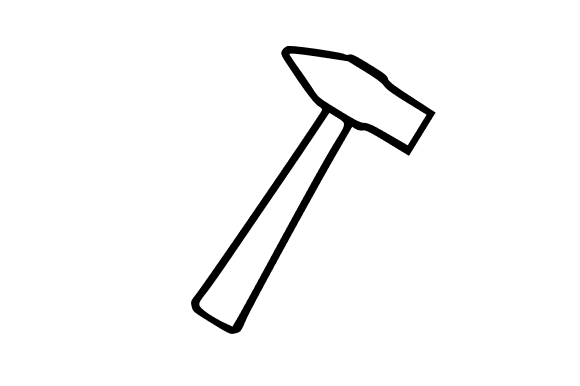
Hammer tool line art clip art offers a unique visual language that can enhance a wide range of creative projects. This type of illustration, characterized by its clean lines and minimalistic style, is particularly effective for conveying ideas in a clear and direct manner. Whether used in print design, web development, or digital marketing, the hammer tool line art clip art serves as a powerful tool for visual communication.
The simplicity of this line art makes it highly adaptable. Designers can integrate it into various layouts without overwhelming the overall composition. Its ability to stand out while blending seamlessly with other elements makes it an ideal choice for a multitude of applications. From infographics to promotional materials, the hammer tool line art clip art adds a touch of professionalism and clarity to any project.
Key Characteristics of Hammer Tool Line Art Clip Art
One of the defining features of hammer tool line art clip art is its precision. Each line is carefully crafted to represent the tool accurately, ensuring that the illustration remains recognizable even at smaller sizes. This level of detail is crucial for maintaining visual integrity across different mediums and formats.
Another notable characteristic is the scalability of the artwork. The vector-based formats, such as SVG and EPS, allow the illustration to be resized without any loss of quality. This flexibility is especially beneficial for designers who need to adjust the size of the image for different purposes, whether it's for a website banner or a printed brochure.
The availability of multiple file formats further enhances the usability of the hammer tool line art clip art. For instance, the transparent PNG format enables easy integration into digital projects, allowing for seamless overlays and quick edits. This versatility ensures that the illustration can be utilized effectively in both professional and personal settings.
Applications of Hammer Tool Line Art Clip Art
Designers often turn to hammer tool line art clip art when they need to convey a sense of strength and utility. This type of illustration is commonly used in industries such as construction, manufacturing, and DIY projects. By incorporating the hammer tool line art clip art into their designs, professionals can visually communicate the essence of their work to a broader audience.
In addition to industrial applications, the hammer tool line art clip art is also popular in educational contexts. Teachers and educators can use it to create engaging visual aids that help students understand complex concepts. The clarity of the illustration makes it an effective tool for explaining mechanical processes or demonstrating the functionality of tools.
Marketing professionals also find value in using hammer tool line art clip art. It can be incorporated into presentations, social media content, and advertisements to add a visual element that captures attention. The clean lines and straightforward design make it an excellent choice for creating a strong brand identity.
Benefits of Using Hammer Tool Line Art Clip Art
One of the primary benefits of using hammer tool line art clip art is its ability to enhance visual storytelling. By providing a clear and concise representation of a tool, the illustration helps to convey messages more effectively. This is particularly useful in scenarios where time is limited, and information needs to be communicated quickly and efficiently.
Another advantage is the ease of customization. Since the hammer tool line art clip art is available in various formats, users can modify the illustration to suit their specific needs. This flexibility allows for greater creativity and adaptability, making it a valuable resource for designers and developers alike.
Furthermore, the high-quality nature of the files ensures that the illustrations maintain their visual appeal regardless of the application. Whether used in print or digital formats, the hammer tool line art clip art retains its sharpness and clarity, contributing to a polished and professional appearance.
Considerations When Using Hammer Tool Line Art Clip Art
While the hammer tool line art clip art offers numerous advantages, there are some considerations to keep in mind. One important factor is the context in which the illustration will be used. Designers should ensure that the hammer tool line art clip art aligns with the overall theme and message of the project. A mismatch in style or tone can detract from the effectiveness of the design.
Additionally, it is essential to consider the target audience when selecting the hammer tool line art clip art. Different demographics may have varying preferences and expectations regarding visual elements. Understanding the audience's needs and preferences can help in choosing the most appropriate illustration for the project.
Finally, designers should be mindful of copyright and licensing issues when using hammer tool line art clip art. Ensuring that the illustration is properly licensed for the intended use is crucial to avoid legal complications. This is especially important for commercial projects where the use of copyrighted material could lead to significant consequences.
Best Practices for Incorporating Hammer Tool Line Art Clip Art
To get the most out of the hammer tool line art clip art, it is advisable to start by understanding the purpose of the illustration. Whether it is to inform, educate, or entertain, the design should support the overall goal of the project. This approach ensures that the hammer tool line art clip art is used effectively and meaningfully.
Another best practice is to experiment with different placements and sizes within the design. Testing various configurations can help identify the most impactful way to incorporate the illustration. This process allows for a more refined and cohesive final product.
Lastly, seeking feedback from others can provide valuable insights into how the hammer tool line art clip art is perceived. Getting input from peers or target users can help identify potential improvements and ensure that the illustration meets the intended objectives.