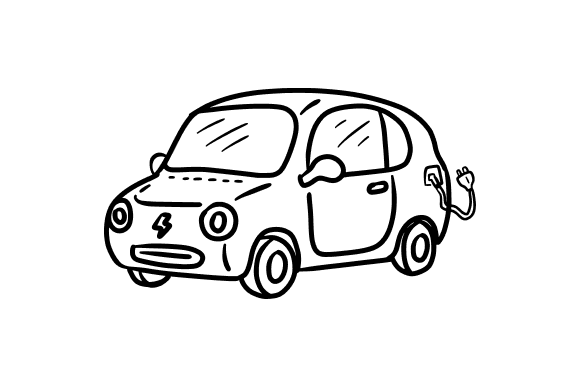
Compact City Car: A Smart Solution for Urban Living
In today’s fast-paced urban environments, the Compact City Car has emerged as a practical and efficient transportation option. Designed with the modern city dweller in mind, this vehicle offers a blend of functionality, affordability, and environmental consciousness. Whether you're navigating crowded streets or looking to reduce your carbon footprint, the Compact City Car provides a viable alternative to traditional vehicles.
The rise of compact cars in urban areas is driven by several factors, including increasing traffic congestion, limited parking spaces, and the growing emphasis on sustainability. These vehicles are engineered to be nimble and easy to maneuver, making them ideal for daily commutes in densely populated cities. Their smaller size allows for easier parking and reduces the need for large parking lots, which is a significant advantage in urban settings.
Key Characteristics of Compact City Cars
One of the defining features of a Compact City Car is its size. These vehicles are typically shorter and narrower than standard sedans, allowing them to fit into tight parking spots and navigate through narrow streets with ease. This design also contributes to better fuel efficiency, as smaller engines and lighter frames require less energy to operate.
Another notable characteristic is their fuel economy. Compact City Cars often boast impressive miles per gallon (MPG) ratings, making them an attractive option for drivers concerned about rising fuel costs. Many models are available in hybrid or electric variants, further enhancing their appeal to environmentally conscious consumers.
Additionally, these vehicles are equipped with modern technology that enhances the driving experience. Features such as advanced safety systems, intuitive infotainment options, and driver-assistance technologies are increasingly common in Compact City Cars. These innovations not only improve convenience but also contribute to a safer driving environment.
Advantages of Choosing a Compact City Car
There are numerous advantages to choosing a Compact City Car, particularly for those living in urban areas. One of the most significant benefits is the cost savings associated with ownership. Lower purchase prices, reduced fuel expenses, and lower maintenance costs make these vehicles a financially sound choice for many drivers.
Moreover, Compact City Cars are often more affordable to insure due to their smaller size and lower risk of damage in collisions. Insurance companies may offer lower premiums for these vehicles, which can result in substantial long-term savings for owners.
Another advantage is the ease of handling. The compact design allows for greater agility on the road, making it easier to navigate through heavy traffic and tight corners. This responsiveness can be especially beneficial in busy city environments where quick maneuvers are often necessary.
Use Cases for Compact City Cars
Compact City Cars are versatile and suitable for a wide range of use cases. For daily commuters, they provide an efficient means of traveling between home and work without the hassle of larger vehicles. Their ability to park easily in urban areas makes them an excellent choice for those who frequently encounter parking challenges.
These vehicles are also popular among students and young professionals who may not have the budget for a larger car. They offer a practical solution for getting around without the financial burden of high insurance rates or expensive fuel costs.
In addition, Compact City Cars are well-suited for short trips and errands. Whether running to the grocery store, visiting friends, or attending local events, these vehicles can handle a variety of tasks with ease. Their compact size also makes them ideal for city tours, allowing drivers to explore urban landscapes without the inconvenience of a larger vehicle.
Considerations When Choosing a Compact City Car
While Compact City Cars offer many benefits, there are several considerations to keep in mind when making a purchase. One of the primary factors is the vehicle's cargo capacity. Due to their smaller size, these cars may have limited space for carrying large items or multiple passengers. This can be a drawback for families or individuals who frequently transport bulky goods.
Another consideration is the comfort level of the vehicle. While many Compact City Cars are designed with driver and passenger comfort in mind, some models may lack the luxury features found in larger vehicles. It's important to test drive different models to determine which one best suits your needs.
Additionally, the availability of charging stations or refueling options should be considered, especially if you're opting for a hybrid or electric model. Ensuring that there are convenient access points for recharging or refueling can significantly impact the overall usability of the vehicle.
How Compact City Cars Fit Into Modern Urban Life
The integration of Compact City Cars into modern urban life reflects a broader shift towards sustainable and efficient transportation solutions. As cities continue to grow and become more congested, the demand for compact, eco-friendly vehicles is likely to increase. This trend is supported by government initiatives aimed at reducing emissions and promoting green transportation options.
Furthermore, the rise of ride-sharing services and car rental platforms has made it easier for people to access Compact City Cars without the need for full-time ownership. This flexibility allows individuals to choose the right vehicle for their specific needs, whether it's for a short trip or a longer journey.
As urban populations continue to expand, the role of Compact City Cars in shaping future transportation systems will become even more significant. Their adaptability, efficiency, and environmental benefits position them as a key component of smart city development strategies.
Future Trends in Compact City Car Technology
The future of Compact City Cars looks promising, with ongoing advancements in technology and design. Innovations such as autonomous driving features, improved battery efficiency, and enhanced connectivity are expected to further enhance the capabilities of these vehicles. These developments will not only improve the driving experience but also contribute to safer and more efficient urban mobility.
Additionally, the integration of smart technologies, such as real-time traffic updates and navigation systems, will help drivers optimize their routes and avoid congestion. These features can significantly reduce travel time and improve overall efficiency, making Compact City Cars even more appealing to urban dwellers.
As the automotive industry continues to evolve, the focus on sustainability and innovation will play a crucial role in shaping the next generation of Compact City Cars. By embracing these trends, manufacturers can ensure that their products meet the changing needs of consumers and contribute to a more sustainable future.